
Destination guide
Canary Islands bananas: history, farming and local culture
Discover the history of Plátano de Canarias, how it is grown and why banana plantations are part of the islands' landscape.
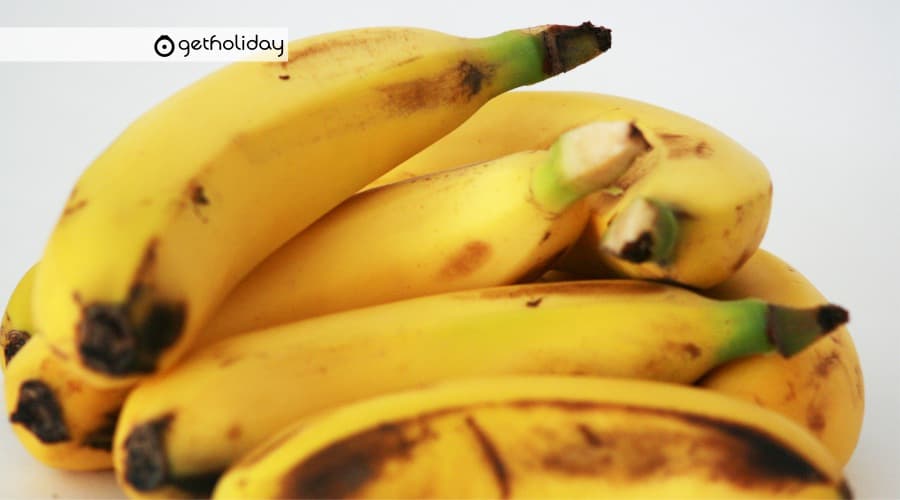
Plátano de Canarias is more than a familiar fruit: banana cultivation is woven into the agricultural identity of the Canary Islands. Plantations form part of the landscape in areas with suitable climates and long-standing rural traditions.
Banana plants reached the archipelago through historic maritime trade. Over time, local production became an important activity involving farmers, cooperatives and markets across the islands.
The plants require favourable temperatures and carefully managed water. Wind protection, irrigation and terraced plots illustrate the ways growers adapt cultivation to island conditions.
If you want to identify genuine Canary Islands bananas, check the origin information on the label rather than relying only on the colour or marks of the peel.
Seeing banana plantations while exploring Tenerife offers insight into an important part of local life. These are working farms, so respect private land and only enter when an authorised visit is available.