
Destination guide
11 surprising facts about the Canary Islands and their culture
Discover eleven Canary Islands facts, from Mount Teide and Silbo Gomero to laurel forests, Atlantic wildlife and island traditions.
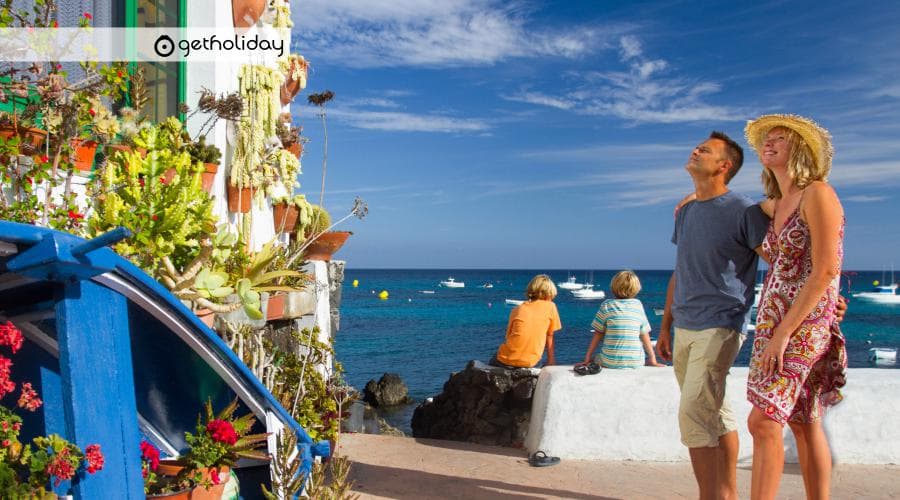
1. The Canary Islands include eight main inhabited islands, among them La Graciosa. Each island has its own landscapes and traditions.
2. Mount Teide on Tenerife is Spain's highest mountain. Its volcanic formations reveal part of the archipelago's geological history.
3. La Graciosa is known for its small settlements and distinctive, largely arid scenery, best enjoyed with respect for local life.
4. In the Canary Islands, guagua is the common word for a bus. Local vocabulary reflects a long history of cultural exchange.
5. Silbo Gomero is a traditional whistled language from La Gomera, recognised by UNESCO as intangible cultural heritage.
6. Laurel forest is an ancient form of humid evergreen woodland still found in places such as Garajonay and the Anaga mountains.
7. Atlantic trade winds help shape local microclimates, meaning one island may have misty hillsides and warm, dry coasts.
8. Indigenous island communities lived across the archipelago long before the Castilian conquest, with their own histories and traditions.
9. Atlantic waters around Tenerife support several cetacean species. Responsible wildlife-watching trips respect these wild animals.
10. Santa Cruz de Tenerife Carnival is a major popular celebration of music, costumes, parades and local performance groups.
11. Coffee is also grown in Agaete Valley on Gran Canaria, a distinctive part of the islands' varied agricultural heritage.