
Destination guide
Traditional food of La Gomera: watercress stew, almogrote and palm syrup
Explore La Gomera’s traditional food, including watercress stew, almogrote cheese spread, palm syrup, gofio, local cheese and wine.
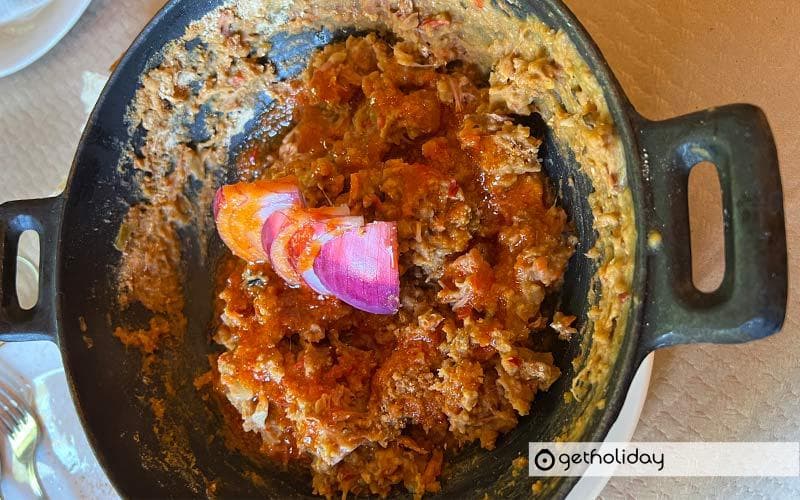
The food of La Gomera grows out of its landscape. Farmers built terraces on steep slopes, generations of specialists cared for the island’s palm trees, and family cheesemakers developed distinctive local flavours. A traditional meal offers a different way to discover the island beyond its viewpoints and national park.
Potaje de berros: a taste of the ravines
Potaje de berros is a hearty watercress stew. A typical version combines chopped watercress, potatoes, onion, pepper, garlic and beans, sometimes with pork ribs or another meat. The ingredients simmer with water and a crushed mixture of garlic, cumin and salt until the vegetables soften and the broth becomes rich. Families adapt the recipe to what they have available.
It is often served with gofio, fresh cheese and onion. Do not assume it is vegetarian, because meat or animal stock is common. The dish reflects the wetter ravines of the island, where watercress has traditionally been an important ingredient.
Almogrote and palm syrup: two island classics
Almogrote is a strongly flavoured cheese spread traditionally made from mature Gomeran cheese, garlic, olive oil and hot pepper. The cheese is grated or crumbled, then worked with the other ingredients into a thick paste that can be spread on bread. Recipes vary in heat and texture; it contains dairy.
Despite its name, miel de palma is not honey made by bees. This dark palm syrup comes from guarapo, the sap of the Canary Island date palm. Skilled guaraperos collect the sap using traditional methods, and it is slowly reduced by cooking. The product carries the history of a craft closely linked to the island’s palm groves.
Gofio, cheese and wine: what else to try
Try gofio, a flour of toasted grains, either with soup or as escaldón; fresh or aged goat cheese; papas arrugadas with mojo sauce; and wine made from the local Forastera Gomera grape. These flavours are also a chance to ask about small farms, vineyards and local food production.
On a guided island tour, check whether lunch is included and what the restaurant actually serves. Recipes, allergens and availability vary, so ask before ordering. Choosing locally produced foods supports the people whose work keeps the island’s agricultural landscape alive.